Group Project
Project duration: 1 month


Project brief
DWP Digital build and maintain user-friendly digital services that enable millions of people to access the help, advice and financial support they need.
We’re the team designing, developing and delivering the world-class digital services they need. Whether our users need to:
1. claim benefit
2. get help finding a job
3. understand their State Pension
By identifying a new user need and defining the service in the form of a mission statement you will then be expected to use some of the design principles and guidelines that GDS use to develop new services, which will include user testing.
The aim of the project is to design and create a digital service that will address intermediate issues the current users facing. To provide a clear, accessible online resource for pensioners and other users that are seeking information about their pension status.
Objectives
Goal
Problem Statement
Conduct research to identify problems.
Data collection from relevant online forum.
Create user stories based on real users.
Identify any gaps that could be addressed.
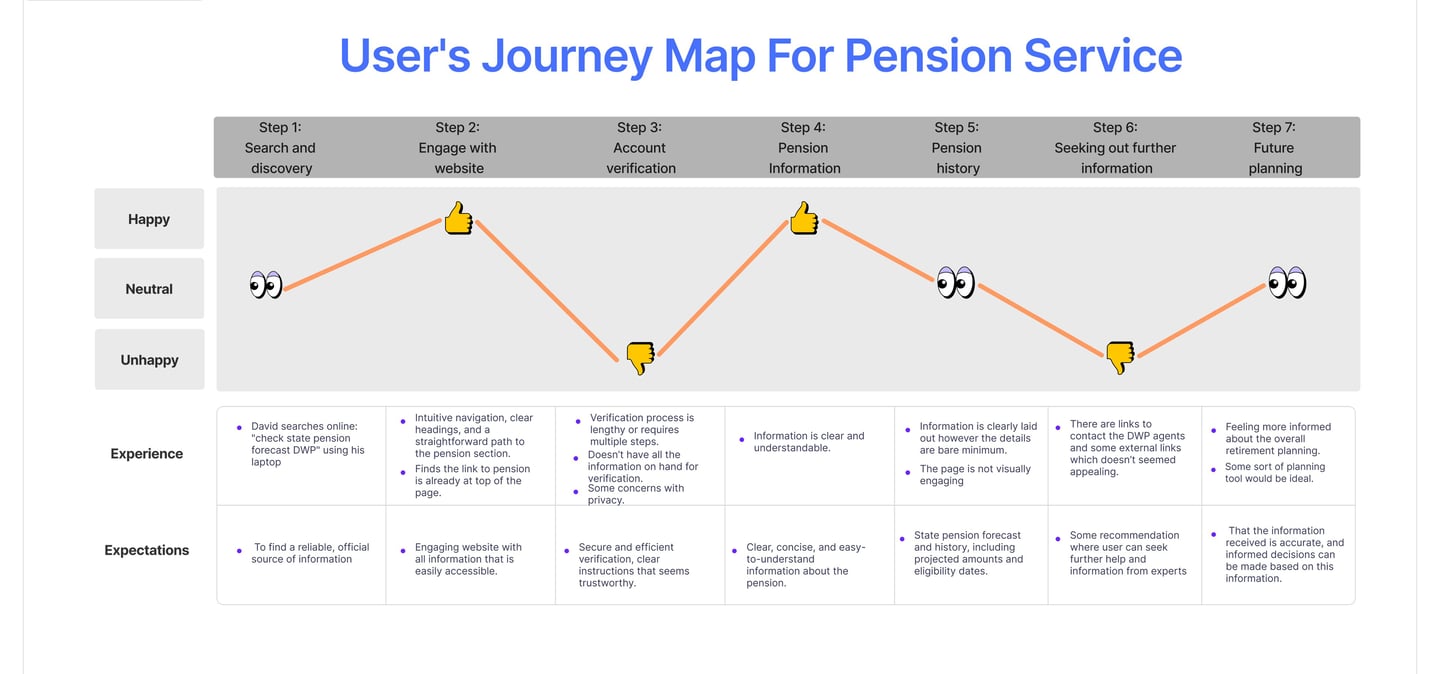
Understanding user engagement through experience mapping.
Incorporate AI / technology into the solutions.
Increase and improve accessibility to target users in the final design
Aims
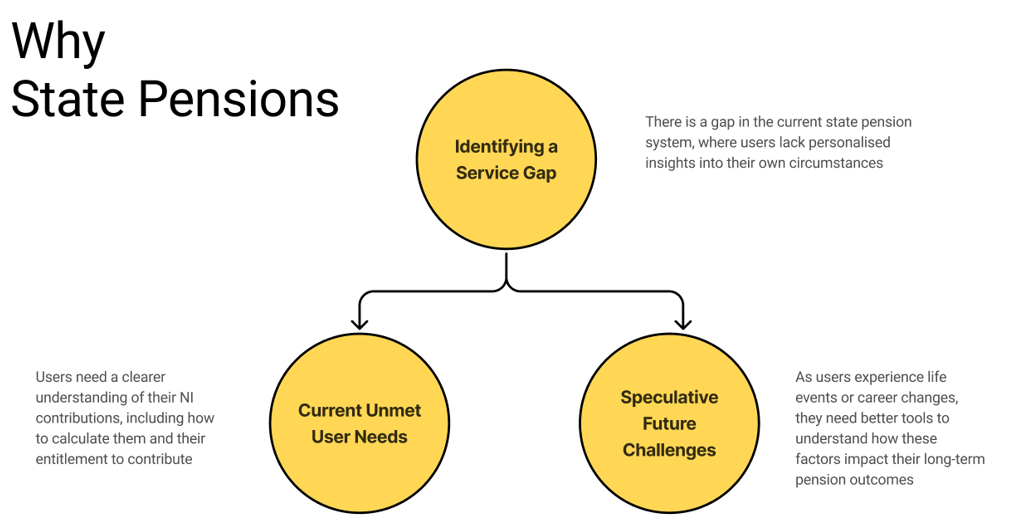
To design a clear, inclusive, and digital focus service that empowers young adults and vulnerable users in the UK to understand, track, and engage with their state pension journey early in life, making long-term planning easier, more transparent, and more accessible for everyone.
The UK state pension system is complex and not well understood by many of its current or future users. Vulnerable groups, including elderly, low-income families, and individuals with limited digital access, often struggle to track their National Insurance contributions, forecast their pension income, or understand the pathway to retirement, resulting in uncertainty and emotional stress.
Agile Method
Agile method was used in according to GOV.UK guidance. The Project was divided into 5 weeks sprint. Each sprint focused on different phase of the project, ensuring all of the tasks in the backlogs are met and all deliverables completed on time. Regular meetings with scrum master, designers and stakeholders were held to assess progress, identify challenges and adjust priorities as needed.


Thematic Analysis
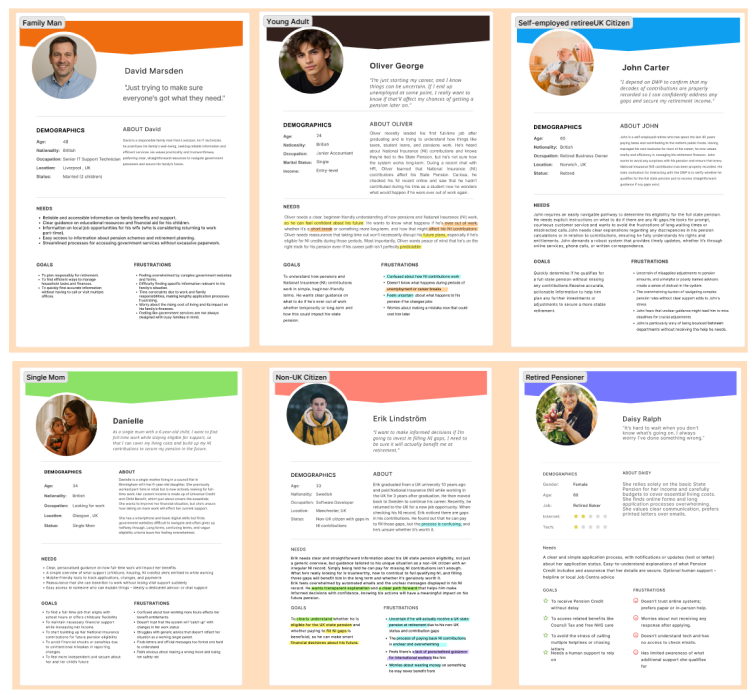
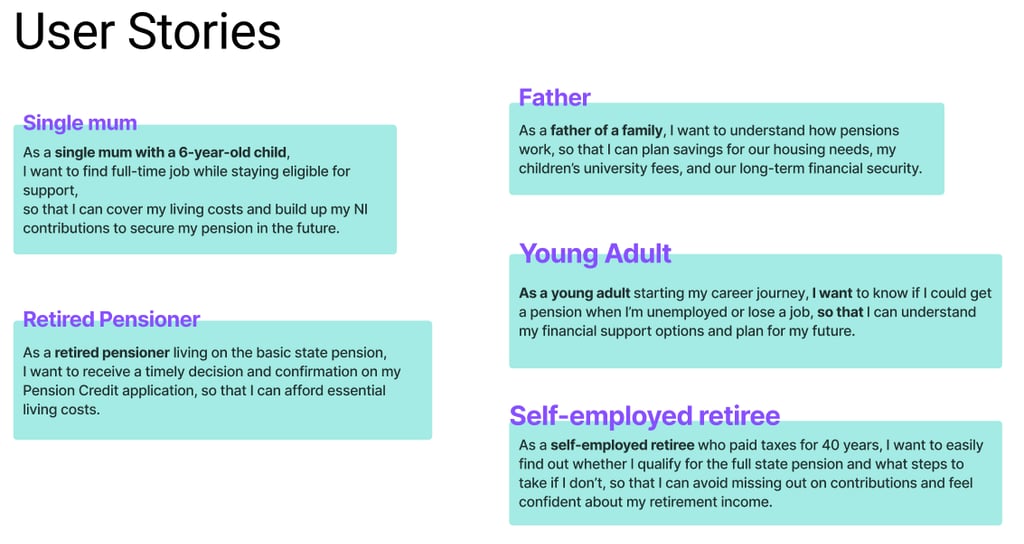
User personas were created as fictional, yet realistic, representations of key user based on patterns and insights from the research. These personas typically included details about user demographics, goals, motivations, behaviors, and pain points. The creation of both user personas and user stories from research demonstrates a user-centered approach to understanding and addressing user needs. Developing personas provides a tangible and relatable representation of the target audience, fostering empathy within the design and development team.
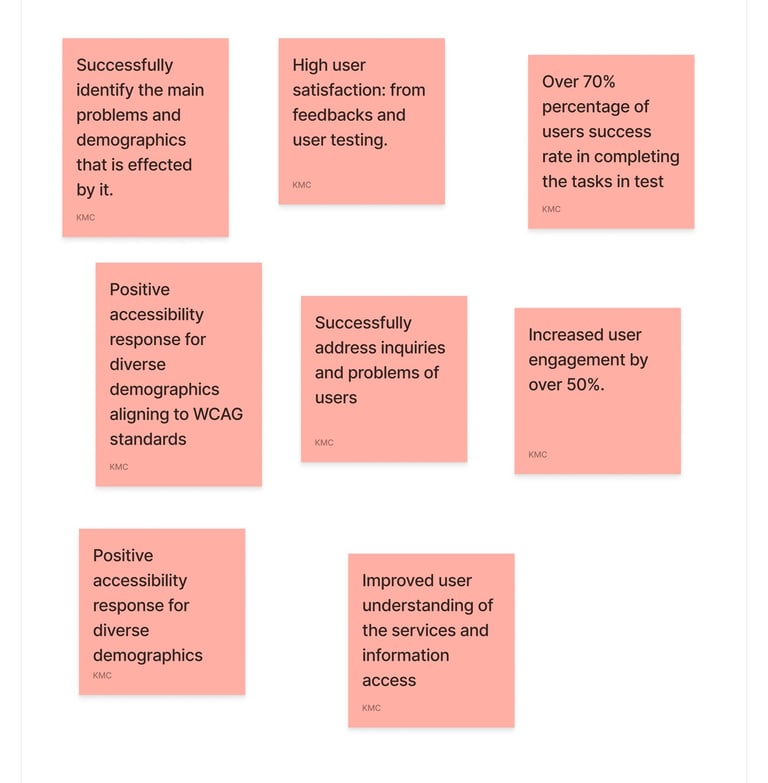
A success criteria has also been created to measure the success of the project outcome. This involves setting clear, quantifiable goals that align with the project's objectives. These criteria will be used to evaluate whether the project has met its intended purpose and delivered the expected benefits.
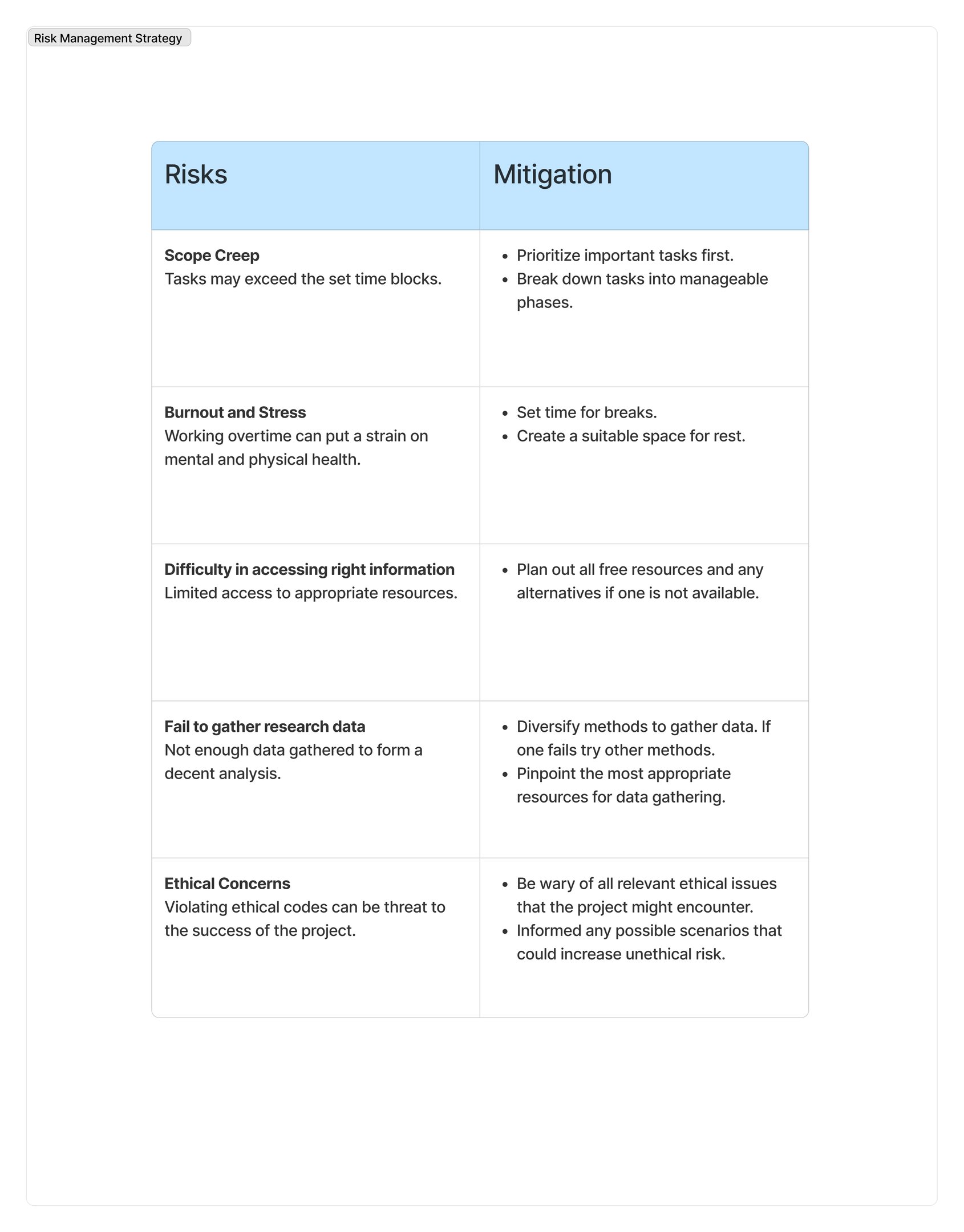
Risk assessment is important in order to seek out potential risks the project will come across and also finding ways to mitigate them. By addressing risks early on, teams can allocate resources efficiently, establish contingency plans, and ensure that all stakeholders are prepared to handle any challenges that may arise.
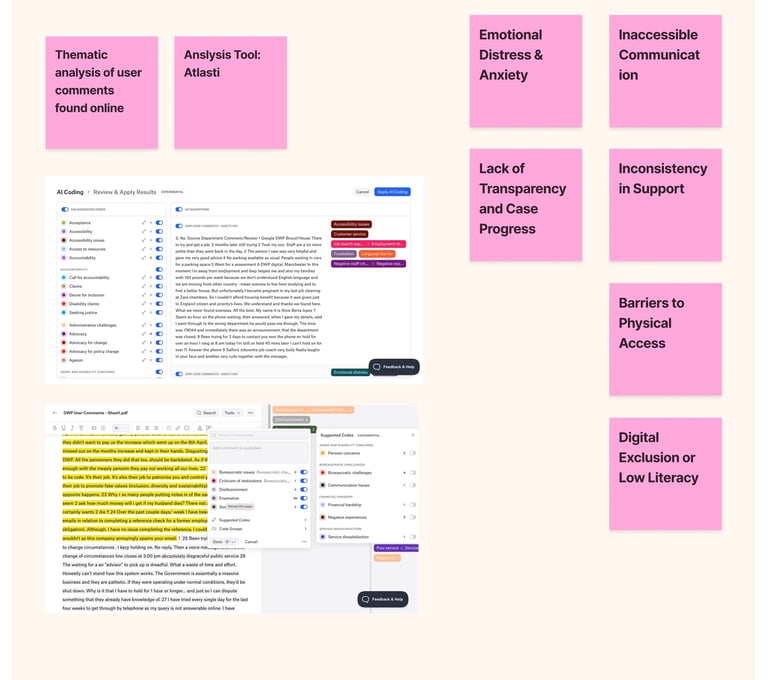
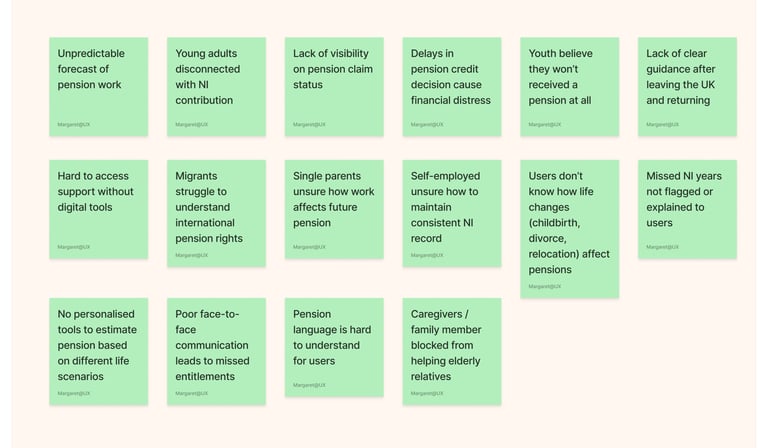
Practical thematic analysis are required to be done with some support from AI. The key problems are identified and then analysed to find solutions to the problem. At this point the team has made the decision to focus on state pension for the project.
Discovery & Research
Discovering needs and Pain Points from Users
The creation of user journey maps builds upon the personas, visualizing the user experience from their perspective. This helps to identify potential pain points, opportunities for improvement. This provide a crucial anchor for design decisions, ensuring that the focus remains on the users' needs and goals.
User stories were crafted, following a standard format ( "As a [type of user], to capture specific user needs and desires identified during the research. Also it has been helpful in supporting the development of innovative solutions.
Alpha
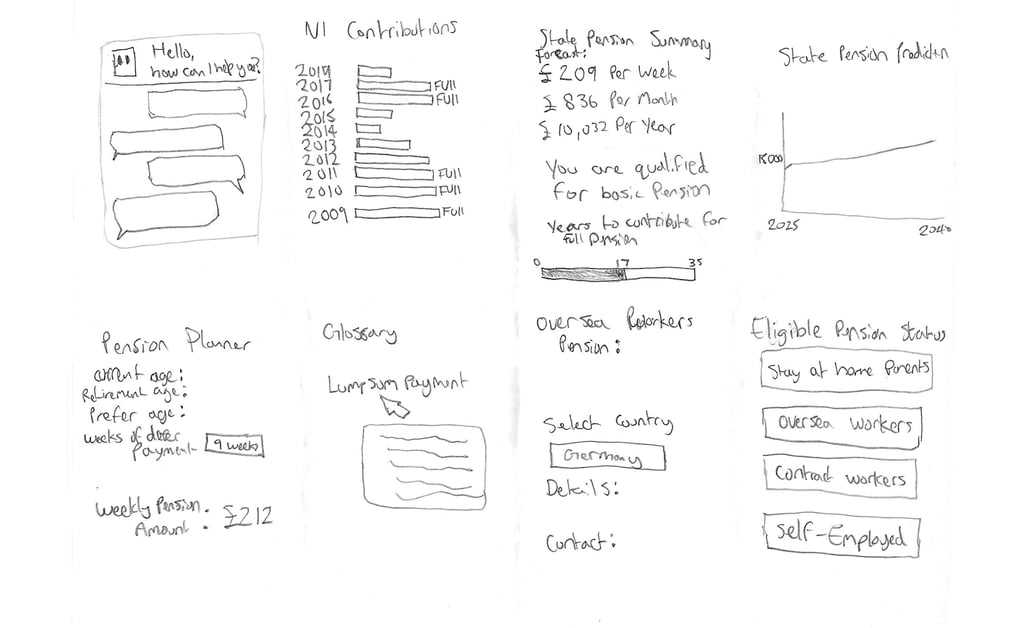
Crazy 8 Brainstorming
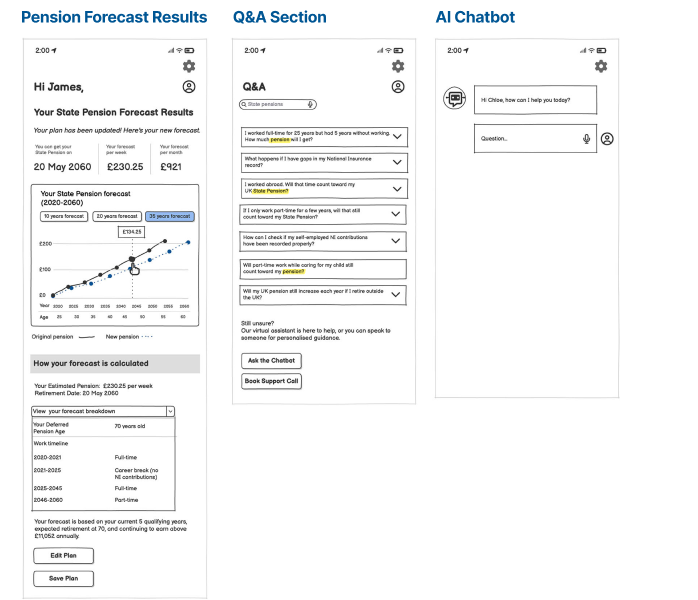
Crazy 8 method was employed, a rapid ideation technique to quickly produce multiple design iterations within a short time frame. Brainstorming through the Crazy 8 method were useful to explore a broad solution space and generate a diverse set of ideas. By this stage, it was clear the approach to be taken in the design process.
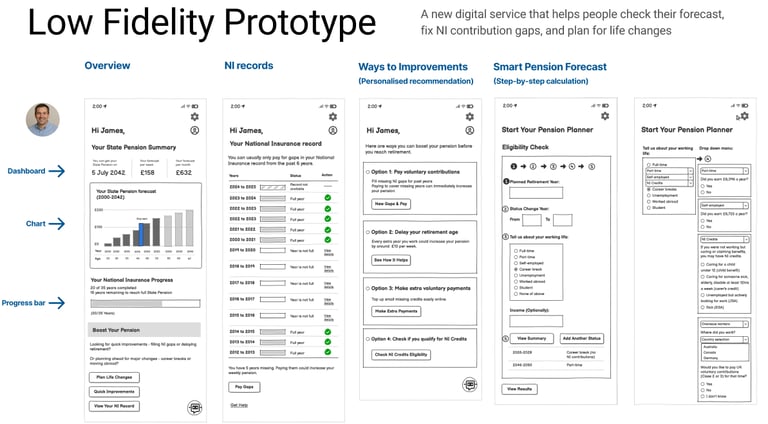
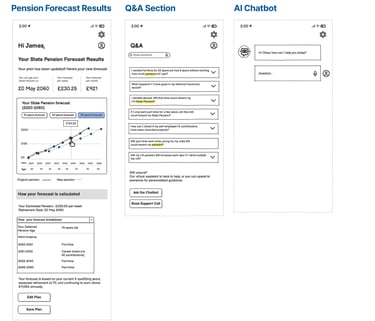
Low-fidelity prototypes were early-stage, simplified representations of the design, often using basic shapes, sketches, or wireframes. These were quick to create and focused on core functionality and user flow.
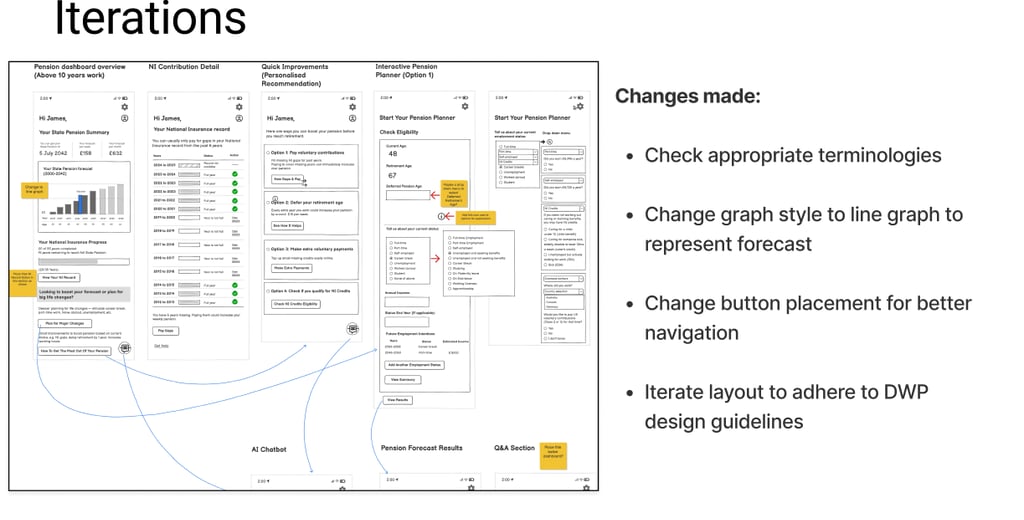
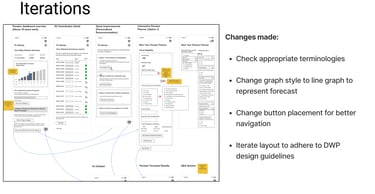
Iterations were made to improve the prototype and making sure it provides a good user experience as well as solving the user problems. Low-fidelity prototypes facilitate early and frequent feedback on core concepts and usability, allowing for quick iterations and preventing significant rework later in the process. Incorporating the feedback on the high-fidelity prototypes provide a more accurate representation of the final product, enabling more detailed testing of visual design, interactions, and overall user experience.


High Fidelity Prototype
Evaluation
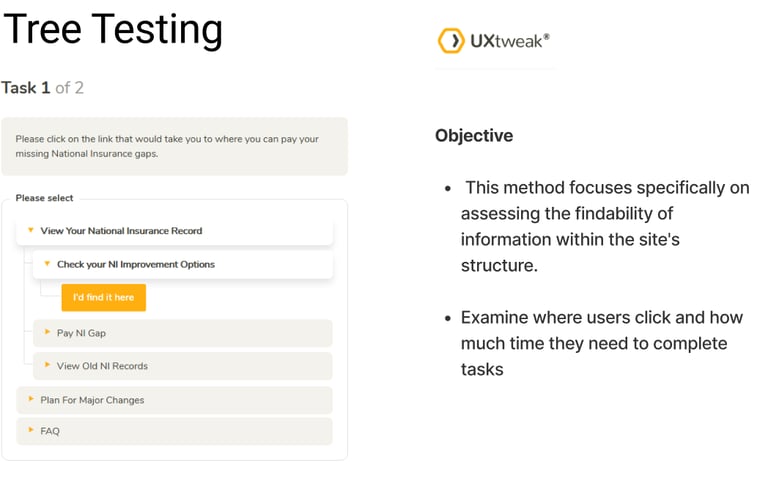
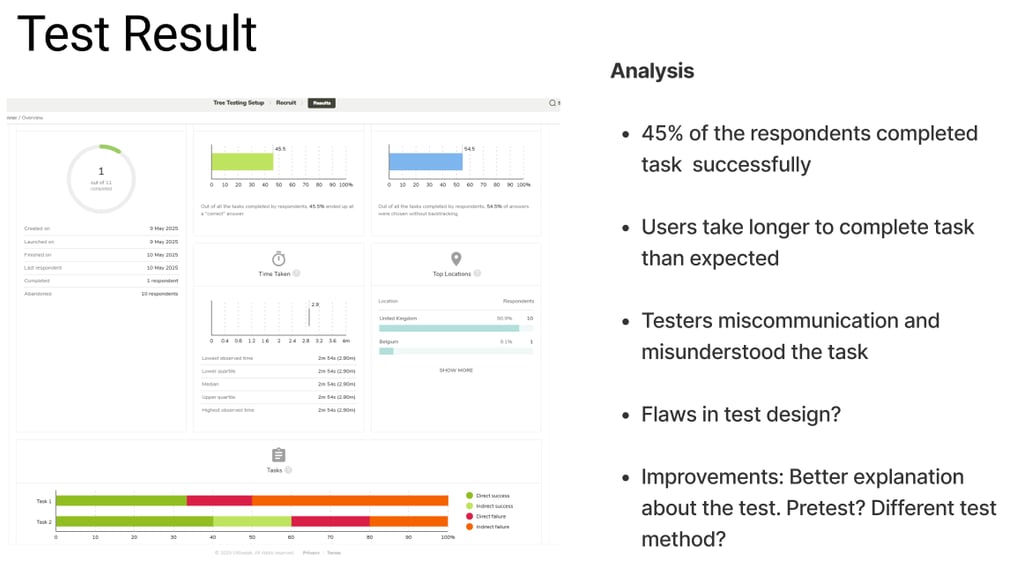
11 participants were recruited through circle of friends, who falls into user demographic of the DWP services. Two tasks were assigned to the testers. The metric is measured through whether they are able to complete the tasks successfully and how long they took. A goal of 70% was set to determine the success rate of the test. However the result was less than satisfying as only 45% are able to complete the task. From the feedback of testers it has appeared that they do not understand the purpose and questions of the test. This signifies that there were flaws in the test design which prevented collecting sufficient data to complete the evaluation.
Information architecture of the website was evaluated and tested using the Tree testing method. This method focuses specifically on assessing the findability of information within the site's structure. Participants were presented with text-based versions of the site's hierarchy (the "tree") and asked to indicate where they would expect to find specific pieces of information. Tree testing ensures that the website or application's content is logically organized and easily navigable.
Contact
adee82@hotmail.co.uk
+447709042165
© 2026. All rights reserved.